How Much Firewood From a Tree? Tree Log Yield Calculator
If a tree is coming down in your garden, measure round the trunk at chest height and pace out how much straight trunk there is, then this calculator estimates how much firewood it will give you: solid wood, stacked and loose cubic metres, bulk bags, the weight once seasoned and roughly how many evenings of burning it holds. What catches people out is the taper. A trunk narrows as it goes up, so treating it as a cylinder can overstate the wood in it by half or more, and the air gaps in a log pile mean one solid cubic metre fills about one and a half stacked cubic metres.
Estimate the firewood in a tree
How to measure a tree for firewood
Foresters measure trunks at 1.3m above the ground, roughly chest height, because the flare at the base of the tree would exaggerate the size. A tape measure wrapped round the trunk gives you the girth; the calculator divides it by pi to get the diameter, so you do not need to work that out. If the tree is already on the ground, measure across the cut end of the bottom section instead, ignoring the bark ridge if it is thick.
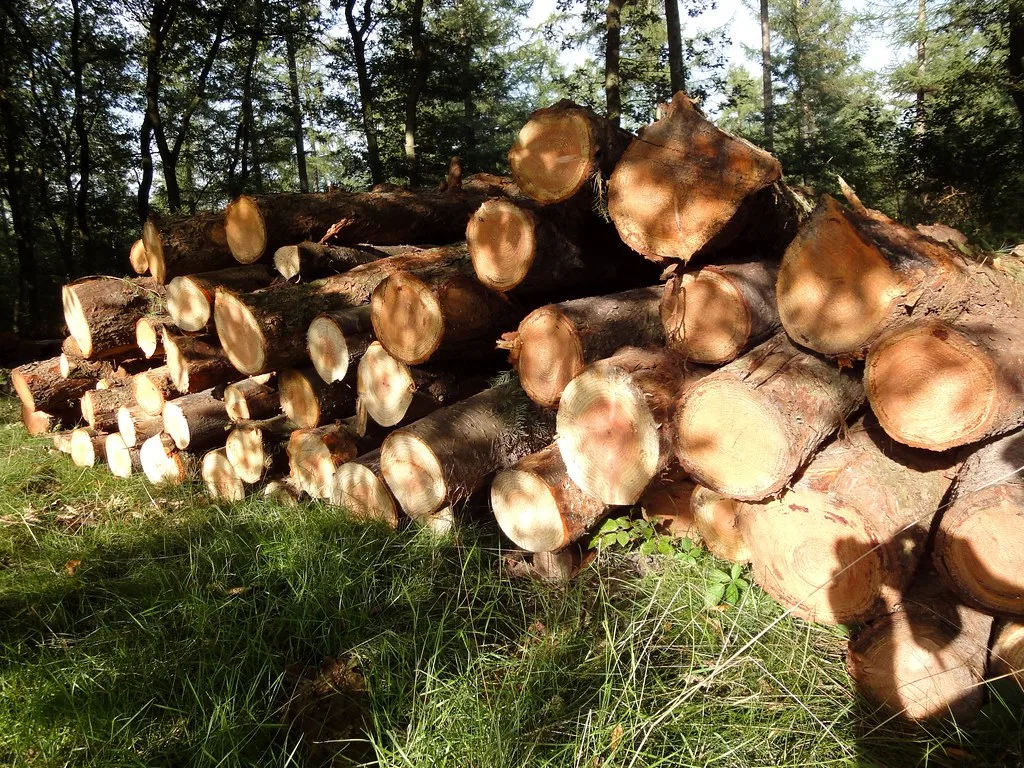
For length, count only the trunk you will actually cut into logs: from the felling cut up to the first big fork, or to the point where it has thinned to the top diameter you put in. Above that, the wood is mostly branches, which is what the branch allowance is for.
Why the taper matters
A trunk is closer to a cone with the tip cut off than to a cylinder. The calculator works out the volume of that tapered shape from the base diameter, the top diameter and the length. Using the base diameter for the whole length, as quick online formulas often do, assumes the top of the trunk is as fat as the bottom, and the error grows the more the trunk tapers. The note under your result shows how big that gap is for your tree.
From solid wood to a log pile
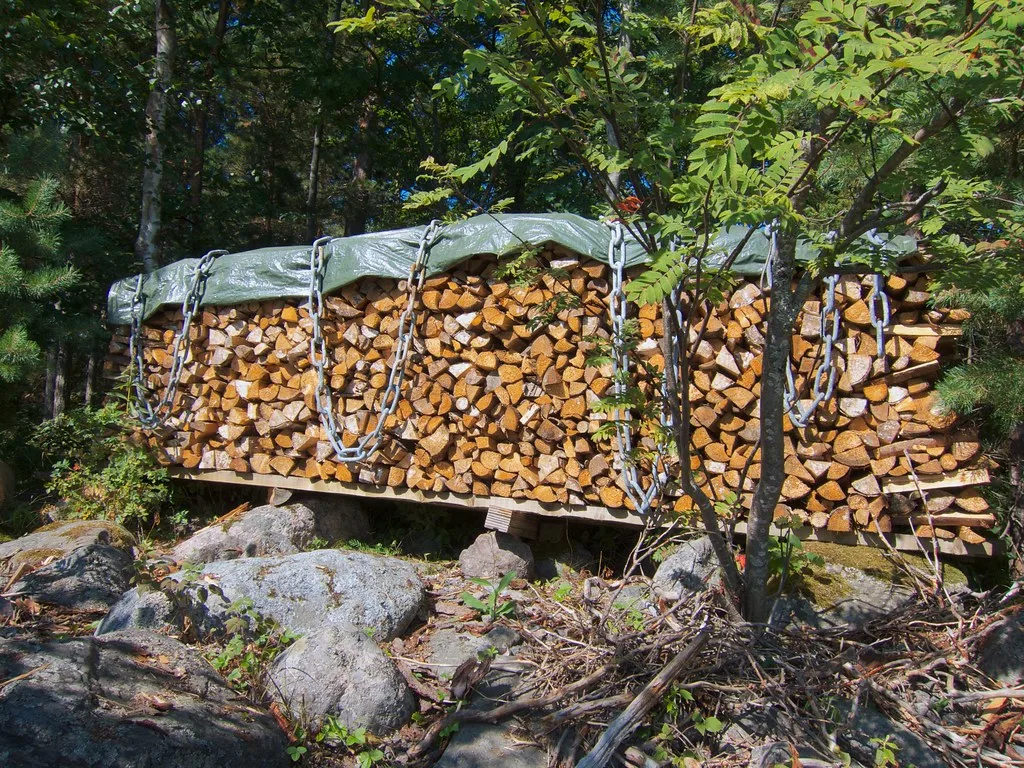
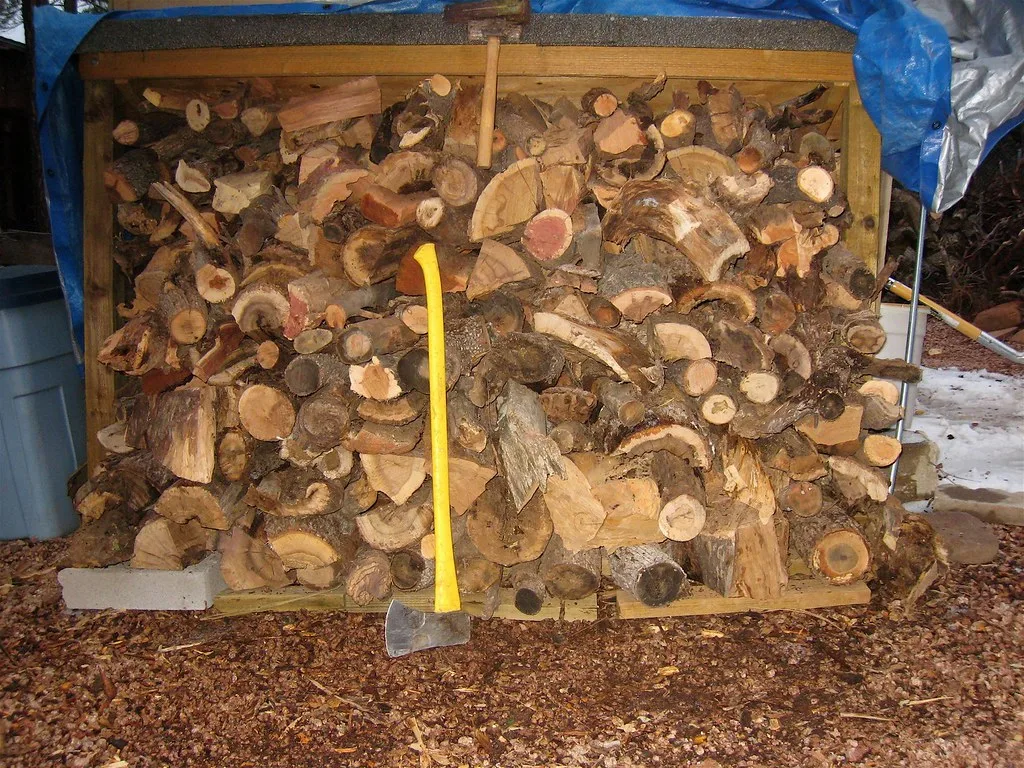
Once the trunk is cut and split, it takes up more space than it did standing, because logs leave air between them. A neat stack is roughly two thirds wood, and a tipped heap even less. Those factors match our firewood volume converter and firewood weight calculator, so all three tools agree. To plan where it will all go, run the stacked figure through the log store size calculator.
Seasoning comes first
A freshly felled tree is not firewood yet. Green hardwood can be a third to a half water by weight, and burning it wastes heat, tars the flue and blackens the stove glass. Split the rounds soon after felling, stack them off the ground under a cover with open sides, and check a freshly split face with a moisture meter before you burn it. Our seasoning time calculator gives a realistic date for your wood to reach 20%.
Before you fell
Felling anything bigger than a small garden tree is a job for a qualified tree surgeon. Check first whether the tree has a Tree Preservation Order or stands in a conservation area, as both normally mean asking your local council before any work, and large-scale felling outside gardens can need a felling licence. If a tree surgeon is doing the work, agree in advance whether you are keeping the timber and whether they will cut it to stove length for you.
Want the seasoning calendar and our log-price watch in your inbox?
Join the Kindling List